When maintenance finds a problem or an unexpected issue arises, we diagnose and fix with the same ductless expertise. Maintenance plan members get priority scheduling.
Mini-Split System Maintenance in Fort Worth, TX
Keep your ductless zone comfort running strong with twice-yearly tune-ups and preventive care.
- Twice-Yearly Tune-Ups
- Prevent 80% of Failures
- 18+ Years Experience
- Priority Repair Service




Why Choose Hobbs
Why Fort Worth Mini-Split Owners Choose Hobbs for Maintenance
Ductless mini-split systems are efficient and reliable, but they need regular maintenance to stay that way. A clean filter and seasonal tune-up prevent 80% of emergency failures—and cost far less than emergency service on a sweltering August afternoon. Hobbs Heating and Air has maintained thousands of mini-split systems since 2007. We clean indoor heads, test communication between units, measure refrigerant pressure, check electrical performance, and verify zone balance. When you join our maintenance plan, you get two annual tune-ups plus priority repair service if something does go wrong.
Get Preventive Care
Preventive Mini-Split Maintenance Starts Here
A professional tune-up includes filter replacement, indoor head cleaning, signal-wire testing, refrigerant pressure verification, and electrical performance review. We’ll explain what we found, recommend any monitoring or repairs, and schedule your next visit before you leave.
Schedule Your Maintenance
Need Emergency Repair?
If your mini-split has stopped working, call us any time — we’re available 24/7 for emergency repairs.
817-822-9180
Our Maintenance Process
How We Perform Your Mini-Split Maintenance
Our maintenance process is systematic and thorough. We test communication, verify refrigerant state, clean components, and measure electrical performance on every visit—nothing gets skipped.
We cycle through each indoor zone and confirm it responds to the remote and wall thermostat. We check the thermostat display for error codes, verify temperature setpoints are accurate, and confirm mode changes (cooling → heating → fan-only) work smoothly. We also check remote control batteries and receiver operation. Any lag, missed commands, or communication hesitation is noted for investigation. Multi-zone systems require testing all zones simultaneously and individually to spot communication drift between zones.
We access the indoor head filter (usually behind a removable panel) and assess its condition. If it’s clogged with dust, pet hair, or lint, we replace it. A clean filter is the single most important maintenance action—it ensures proper airflow and prevents indoor coil freeze. We visually inspect the coil for visible frost, mold, or scale buildup. We check the blower motor for smooth operation and unusual noise. We verify that condensate drain lines are flowing freely (a clogged drain can cause indoor water damage or system shutdown).
We inspect the signal wires running from the outdoor unit to each indoor head for visible damage (cuts, exposed copper, loose connections). We test continuity with a multimeter to confirm no opens or shorts in the wiring. We also verify power to the indoor control board and check for any burnt smell or visible board damage. Signal-wire degradation is a common failure mode on older systems; finding and repairing it during maintenance prevents unexpected loss of control.
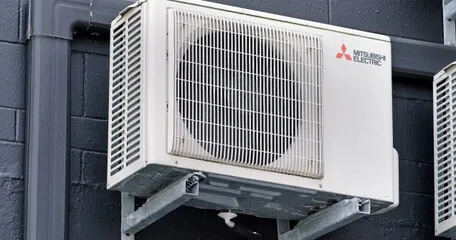
We walk to the outdoor unit and visually inspect it for debris, bent fins, rust, or disconnected wires. We feel for airflow across the coil—it should be smooth and steady. If the coil is dirty (common in Fort Worth with pollen and dust), we clean it with a specialized coil cleaner and compressed air. A clean coil dramatically improves efficiency and reduces compressor workload. We also clear any vegetation, leaves, or obstructions within two feet of the unit to ensure proper air intake.
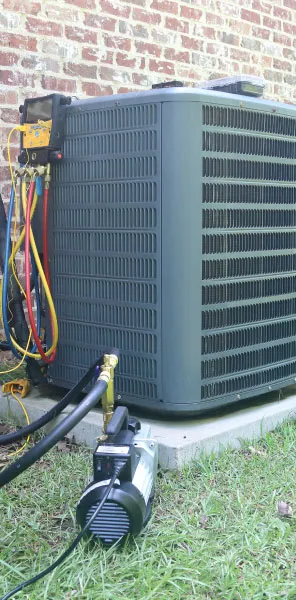
We connect our gauge manifold to the outdoor unit’s service ports and measure high-side and low-side refrigerant pressures. We calculate superheat and subcooling to confirm the system is properly charged. Low pressure in both lines signals a lineset leak or slow refrigerant loss. High pressure can indicate overcharge, blockage, or inadequate cooling airflow. We also listen for any hissing sound (indicating a leak) near lineset connections and service valves. Pressure readings are compared to the system nameplate and diagnostic data specific to your equipment.
We test the outdoor capacitor (which stores energy for compressor and fan motor startup) with a multimeter—a failed capacitor is often the cause of no-start conditions. We measure the compressor’s run amperage to confirm it’s not overworked from bearing wear or system blockage. We check voltage at the outdoor unit terminals to confirm steady power delivery. On inverter compressors, we observe startup sequencing to confirm the inverter is ramping smoothly. Any electrical anomalies are noted and explained—sometimes a component needs replacement to prevent mid-summer failure.
If you have multiple indoor zones, we run all zones simultaneously and verify they reach setpoint temperature within normal time windows. We spot-check temperatures in each room to confirm one zone isn’t dominating and starving others of refrigerant flow. We listen to the outdoor unit under load to confirm the compressor doesn’t sound strained. We verify that zone thermostat commands are switching zones on and off properly. Zone imbalance is a comfort issue; catching it during maintenance lets us rebalance refrigerant and adjust thermostat logic before it becomes a complaint.
We provide a written report showing pressures, electrical readings, and component conditions. We explain what we found in plain language and discuss any monitored issues (a compressor bearing with early degradation, a lineset with a micro-leak we’re watching). We recommend your next tune-up before you leave and lock in a maintenance plan if you’re interested. Our goal is predictable, reliable comfort—and that starts with scheduled maintenance.
Customer Reviews
What Azle and North Texas Customers Say About Hobbs Heating & Air
Mini-Split Financing
Finance Your Mini-Split Repairs
When your mini-split needs major repairs or replacement, financing helps you get the work done without delay. Through Wells Fargo, Hobbs Heating & Air offers flexible financing for Fort Worth-area homeowners so you can restore your zone comfort today.

Financing For Every Budget
Flexible Financing Through Wells Fargo
A new HVAC system or Generac generator is a major investment. With financing through Wells Fargo, you don’t have to choose between comfort and your budget. Qualifying is simple, and our team will walk you through every step.
Low Monthly Payments
Spread the cost of a new system over time with payments that fit your household budget — no large upfront expense required.
No Hidden Fees
What you see is what you pay. Your financing terms are laid out clearly from day one, with no surprise charges down the road.
Fast Pre-Qualification
Check your eligibility in minutes with a quick online application. You’ll know where you stand before any work begins.
Flexible Loan Amounts
Whether it’s a single mini-split or a full system replacement with a generator, financing can be scaled to match the scope of your project.
Questions about financing? Call us at 817-822-9180 and we’ll help you find the right option before you commit.
Protect Your Investment
Mini-Split Maintenance Plans
A mini-split system runs longest and most efficiently when serviced regularly. Our preventative maintenance plans cover twice-yearly tune-ups, priority scheduling, and early warning of small issues—so they never become expensive failures during the next North Texas heatwave.
Peace of Mind, Year-Round
Preventative Care Maintenance Plans
Preventive maintenance is the most cost-effective investment you can make in your HVAC system. Hobbs Heating & Air offers residential and commercial plans designed to extend equipment life, keep efficiency high, and catch developing problems before they turn into expensive emergency repairs.
Extend Equipment Life
Regular tune-ups catch wear-and-tear early and add years to your system — protecting the long-haul investment you made.
Peak Efficiency
Clean coils, calibrated thermostats, and tight connections keep energy bills predictable through hot summers and cold fronts.
Priority Scheduling
Plan members get faster service when a breakdown does happen — no waiting in line behind walk-up calls.
Residential & Commercial
Plans designed for both homes and businesses across Azle, Springtown, Fort Worth, Weatherford, and surrounding North Texas communities.
Questions about our maintenance plans? Call us at 817-822-9180 to discuss enrollment and scheduling options.
Mini-Split Maintenance Service Areas
Mini-Split Maintenance Service Areas
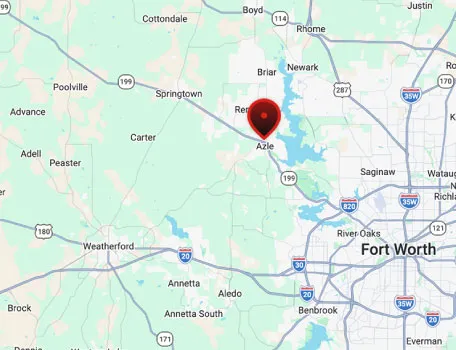
We perform ductless system maintenance and tune-ups throughout Fort Worth and the surrounding region, with flexible scheduling and seasonal availability:
- Fort Worth, TX All neighborhoods served; we maintain systems in single-zone and multi-zone residential installations.
- Aledo, TX Quick response for routine tune-ups and seasonal maintenance.
- Springtown, TX Serving residential properties; flexible scheduling for ranches and acreage.
- Weatherford, TX Mini-split maintenance for both new and established systems.
- Brock, TX Rural service with seasonal availability; we coordinate timing with your schedule.

Protect Your Investment
Protect Your Mini-Split Investment with Scheduled Maintenance
A ductless mini-split system is a long-term comfort investment. With proper maintenance, it runs reliably for 15–20 years. Without it, you’re looking at a 10–12 year lifespan and surprise summer failures that cost thousands in emergency repair and replacement.
Hobbs Heating and Air has maintained thousands of mini-split systems since 2007. We know how to keep Samsung, Armstrong, and Carrier ductless systems running strong through Fort Worth’s hot summers and variable winters. We clean coils, test communication, verify refrigerant charge, check electrical health, and measure zone performance. After two tune-ups per year, your system is tuned, efficient, and less likely to break down unexpectedly.
Answering Your Questions
Mini-Split Maintenance FAQs
We recommend twice-yearly tune-ups: once in spring before cooling season and once in fall after summer stress. This schedule catches seasonal buildup, temperature fluctuations, and component wear at predictable intervals. If you run the system year-round or have an older system, quarterly servicing may be worthwhile. Our maintenance plans include two visits annually.
A full maintenance visit includes filter replacement, indoor coil visual inspection, signal-wire testing, outdoor coil cleaning, refrigerant pressure measurement, electrical component testing (capacitor, contactor, compressor amperage), refrigerant charge verification, and multi-zone balance check on multi-zone systems. We spend 60–90 minutes on a complete service so every step is done thoroughly. You get a detailed written report afterward.
Yes. Most indoor head filters are accessible and reusable or replaceable. Monthly visual inspection is smart—if it’s clogged with dust or pet hair, replace or clean it. A clogged filter is the most common maintenance issue and the easiest to prevent. However, professional maintenance includes testing the rest of the system (refrigerant, electrical, communication), not just the filter. Both are important.
A single tune-up visit costs more per visit than joining a plan. Our maintenance plans bundle two annual visits plus priority repair service for less than two individual visits. Most customers find the plan saves money and provides peace of mind. We’ll quote both options during your first visit.
Refrigerant pressures dropping gradually over months (measured at maintenance visits) is the first sign. Cooling performance slipping imperceptibly, or ice forming on the lineset after running for hours, is another sign. We test pressures at every tune-up and spot trends—a leak discovered at your annual service is fixed during maintenance, not in an emergency call in August.
If heating isn’t necessary, you don’t need to run the system. However, letting a system sit idle for months without circulation can allow refrigerant to settle unevenly and capacitors to degrade. If you live somewhere mild, running the system once monthly on cooling mode (even if you don’t need it) keeps oil circulating in the compressor. Ask us during your maintenance visit—we’ll advise based on your climate zone.
We’ll explain what we found—refrigerant leak, capacitor aging, signal-wire damage, etc.—and recommend whether to fix it now or monitor it. Small issues (a micro-leak, a capacitor losing efficiency) can often wait until your next tune-up or planned maintenance window. Larger issues (a failed inverter, a compressor bearing fault) we recommend fixing sooner to prevent shutdown. You decide; we provide honest guidance.
You can call when something breaks—but you’ll wait days for emergency service and pay premium pricing in summer. Maintenance plan members get two scheduled visits, priority repair service (same-day when possible), and catch 80% of failures before they occur. The plan usually pays for itself by preventing one emergency service call. Plus, you get peace of mind.
Two annual tune-ups, priority repair scheduling, and usually a small discount on repair labor if something does need fixing. Some plans include free seasonal filter replacement or quarterly inspections. Ask about specific plan options when you call.
Well-maintained systems regularly reach 15–20 years. Neglected systems often fail by 10–12 years. The difference is usually maintenance: regular filter changes, seasonal coil cleaning, and professional tune-ups that catch component wear before catastrophic failure. Maintaining your system is like changing your car’s oil—it costs little but extends life significantly.