Still prefer separate heating and cooling systems? We install high-efficiency AC units sized for Fort Worth summers.
Heat Pump Installation in Fort Worth, TX
Year-round comfort with modern, efficient heat pump systems
- Factory Authorized Dealer
- Free In-Home Estimates
- Heating & Cooling in One
- 2-Year Workmanship Warranty




Why Choose Hobbs
Fort Worth Homeowners Are Switching to Heat Pumps
Texas homes spend most of the year cooling, but winter heating still matters—and a traditional furnace + AC setup wastes energy during shoulder seasons when you need neither heavy heating nor cooling. That’s where a heat pump changes the game. Hobbs Heating and Air has been installing ducted heat pumps and mini-splits since 2007, and we understand how to size and commission them for Fort Worth’s climate: hot summers, mild but variable winters, and high humidity.
Get a Free Estimate
Ready to Go All-In-One?
Heat pump sizing and selection require a home assessment and heat-loss calculation (for winter capacity) alongside the traditional cooling load calculation. We’ll visit your home, review your current ductwork and electrical setup, discuss heating and cooling preferences, and provide a detailed quote for equipment and installation.
Get Your FREE Estimate
Have a Comfort Emergency?
Call us any time — we’re available 24/7 for emergency heating and cooling repairs while you wait on a new install.
817-822-9180
Our Installation Process
How We Install Your Heat Pump System
Our installation follows manufacturer specifications, EPA refrigerant-handling rules, and Texas electrical codes. Here’s what happens from site visit to first winter test:
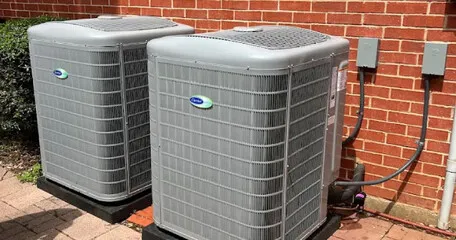
Unlike a traditional AC install, we calculate two separate loads: cooling capacity (for summer) and heating capacity (for winter). We measure square footage, insulation R-value, window area, duct configuration, and your home’s exposure. Most homes in Fort Worth need a system sized between 2–5 tons; oversizing for cooling while undersizing for winter creates an inefficient system. We get both right during this phase.
We walk you through heat pump options: single-speed (affordable, straightforward), variable-capacity (quieter, more efficient, higher upfront cost). We inspect your existing ductwork to confirm it can handle year-round operation—ducts that worked fine for summer cooling must also deliver heat effectively in winter. If modifications are needed, we provide pricing upfront.
If you’re replacing a furnace-and-AC combo, we disconnect both units. Furnaces are drained of gas and safely isolated. AC units have refrigerant recovered (EPA 608 compliant). We haul away old equipment and clean the furnace closet or utility space in preparation for the heat pump and air handler.
The indoor air handler (which circulates heated or cooled air) is mounted in your ductwork pathway—usually the furnace location or a nearby closet. The outdoor unit is positioned on a level pad with clearance for airflow from all sides. Proper clearance is critical in winter: a heat pump’s outdoor coil must breathe freely, even when ice accumulates during defrost cycles.
We run insulated copper linesets from the outdoor unit to the indoor air handler, sized and routed to code. The outdoor unit is wired to your electrical panel with a properly sized breaker. The reversing valve—which switches the system between heating and cooling—is tested for smooth function. Thermostat wiring is installed or upgraded, and all electrical connections are inspected for code compliance.
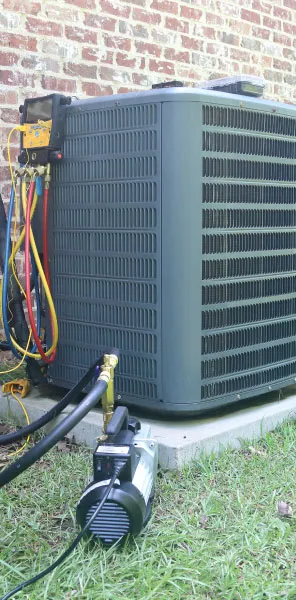
This is where heat pump installation differs most from AC. We charge the system to manufacturer specifications and then run a full commissioning sequence: test cooling mode (compressor ramp, superheat/subcooling readings), test heating mode (reversing valve switching, compressor performance), confirm defrost function (the system automatically defrosts outdoor ice), and verify auxiliary heat settings on the thermostat. We take detailed data readings to confirm all parameters are within spec.
Before we call the job complete, we review heating mode with you: how the thermostat displays “auxiliary heat” when backup elements kick in (this is normal on very cold days), how the defrost cycle works (outdoor fan cycles off briefly, looks odd but it’s correct), and when to expect a technician for maintenance. We provide warranty documentation, a maintenance schedule, and clear guidance on filter changes. A heat pump running year-round benefits greatly from seasonal service.
Customer Reviews
What Azle and North Texas Customers Say About Hobbs Heating & Air
Heat Pump Financing
Finance Your New Heat Pump System
A heat pump installation is a significant investment in year-round comfort — but it doesn’t have to be paid all at once. Through Wells Fargo, Hobbs Heating & Air offers flexible financing for Fort Worth-area homeowners so you can install the right-sized, energy-efficient system today instead of waiting another season.

Financing For Every Budget
Flexible Financing Through Wells Fargo
A new HVAC system or Generac generator is a major investment. With financing through Wells Fargo, you don’t have to choose between comfort and your budget. Qualifying is simple, and our team will walk you through every step.
Low Monthly Payments
Spread the cost of a new system over time with payments that fit your household budget — no large upfront expense required.
No Hidden Fees
What you see is what you pay. Your financing terms are laid out clearly from day one, with no surprise charges down the road.
Fast Pre-Qualification
Check your eligibility in minutes with a quick online application. You’ll know where you stand before any work begins.
Flexible Loan Amounts
Whether it’s a single mini-split or a full system replacement with a generator, financing can be scaled to match the scope of your project.
Questions about financing? Call us at 817-822-9180 and we’ll help you find the right option before you commit.
Protect Your New System
Maintenance Plans for Your New Heat Pump
A heat pump runs year-round and benefits from seasonal tune-ups to stay efficient. Our preventative maintenance plans cover spring and fall service, priority scheduling, and early warning of small issues — so they never become expensive failures during the next North Texas heatwave or cold snap.
Peace of Mind, Year-Round
Preventative Care Maintenance Plans
Preventive maintenance is the most cost-effective investment you can make in your HVAC system. Hobbs Heating & Air offers residential and commercial plans designed to extend equipment life, keep efficiency high, and catch developing problems before they turn into expensive emergency repairs.
Extend Equipment Life
Regular tune-ups catch wear-and-tear early and add years to your system — protecting the long-haul investment you made.
Peak Efficiency
Clean coils, calibrated thermostats, and tight connections keep energy bills predictable through hot summers and cold fronts.
Priority Scheduling
Plan members get faster service when a breakdown does happen — no waiting in line behind walk-up calls.
Residential & Commercial
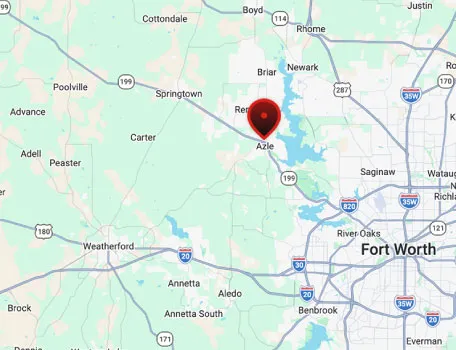
Plans designed for both homes and businesses across Azle, Springtown, Fort Worth, Weatherford, and surrounding North Texas communities.
Questions about our maintenance plans? Call us at 817-822-9180 to discuss enrollment and scheduling options.
Heat Pump Installation Service Areas
Heat Pump Systems Installed Across Fort Worth and North Texas
We design and install heat pump systems throughout the Fort Worth area and surrounding Parker and Tarrant county communities:
- Fort Worth, TX Year-round installations in all neighborhoods; expertise with older homes transitioning from furnace-plus-AC to heat pump efficiency.
- Aledo, TX Newer homes with modern ductwork; fast response times and reliable service.
- Springtown, TX Larger homes and acreage; heat pump sizing for varied home designs.
- Weatherford, TX Both historic and new construction; familiarity with local building codes and utility availability.
- Brock, TX Rural installations with extended service availability and backup generator options.
Let’s Get Started
Start Your Heat Pump Journey
Installing a heat pump is one of the smartest decisions a Fort Worth homeowner can make. You’ll heat and cool with a single, highly efficient system, eliminate the expense of maintaining a furnace and separate AC unit, and lower your energy bills year-round.
Our process is straightforward: we schedule a free in-home estimate where we calculate your heating and cooling loads, assess your ductwork, walk through equipment options, and provide transparent pricing—no pressure, no surprise costs. We handle everything from removing your old equipment to testing your new heat pump’s performance in both heating and cooling modes. Financing is available through Wells Fargo, and we recommend pairing your new system with a maintenance plan so it stays efficient for years.
Answering Your Questions
Heat Pump Installation FAQs
Yes, but with nuance. A heat pump can handle most of Fort Worth’s heating needs—average winter lows hit 30–40°F. Below 35°F, the system becomes less efficient and may use auxiliary heat (backup electric element). That’s normal and built into your system. We size your heat pump to minimize auxiliary heat use, but on the coldest nights (rare in Fort Worth), some backup heating is economical and expected.
A furnace burns gas to create heat; AC cools by moving heat outdoors. A heat pump uses refrigerant to move heat in both directions—pulling it from outside air to heat your home, or pushing it outdoors to cool. The result: one system, one set of ducts, lower energy use overall. Furnace-plus-AC is still common because it’s familiar; heat pump is increasingly popular because it’s more efficient and requires less maintenance.
Outdoor air always contains heat energy, even when it’s cold. The refrigerant circulates through the outdoor coil, absorbs that heat, and carries it indoors via the reversing valve. The indoor coil releases heat into your home’s air stream. You don’t burn anything; you’re just redistributing heat that’s already there. This is why heat pump heating is so efficient compared to burning fuel.
When outdoor temperatures drop, frost builds on the heat pump’s outdoor coil, reducing airflow. Periodically, the system reverses to cooling mode for a few minutes—this melts the frost. The outdoor fan may shut off, and you might hear hissing or unusual sounds. This is normal, not a malfunction. Defrost cycles last 5–10 minutes and happen automatically, usually several times per winter day depending on temperature and humidity.
A heat pump runs year-round instead of seasonally, so wear is more distributed. Maintenance is similar: filter changes every 30–90 days, outdoor coil cleaning once yearly (we do this), and a professional tune-up before cold season. Join a maintenance plan so we test refrigerant charge, check electrical connections, and verify defrost function. This catches small issues before they become expensive repairs.
Usually yes, but not always. Heat pump air handlers require balanced ductwork that delivers heated and cooled air efficiently. If your ducts are severely undersized, leaky, or routed poorly, we’ll identify this during the estimate and recommend sealing or upsizing. Many Fort Worth homes benefit from duct sealing when installing a heat pump—it’s an opportune time to improve overall efficiency.
A ducted heat pump requires ductwork. If your home uses radiant floor heating or electric baseboards, a heat pump installation becomes more complex—you’d need to add ductwork or use a mini-split (ductless system). We’ll discuss this during your estimate. For most homes with existing ductwork, a ducted heat pump integrates seamlessly.
Most heat pumps include an auxiliary electric heat element. If the power goes out, the heat pump can’t run. When power returns, the system restarts automatically (depending on thermostat type). Long power outages in Texas are rare. If extended winter outages are a concern, ask us about adding a backup generator—we’re Generac dealers and can install one to power your heat pump and other essentials.
Variable-capacity heat pumps are generally quieter than fixed-speed units because they don’t ramp up to full power. The outdoor unit may produce a slight sound when reversing (3–5 seconds of hissing is normal). Indoor air handlers are similar to furnaces in noise levels. We’ll discuss noise levels during your estimate and can show you decibel ratings if that’s a concern.
Armstrong and Carrier offer 10-year warranties on compressors and 5-year warranties on parts (with factory registration). Hobbs guarantees our workmanship for 2 years. Extended warranties are available at install time if you want additional coverage beyond the manufacturer’s terms. We’ll walk through all options when we provide your quote.