Keep your generator ready with annual maintenance. We test load transfer, inspect fuel lines, perform oil changes, and verify reliability before an actual outage. Learn about maintenance plans.
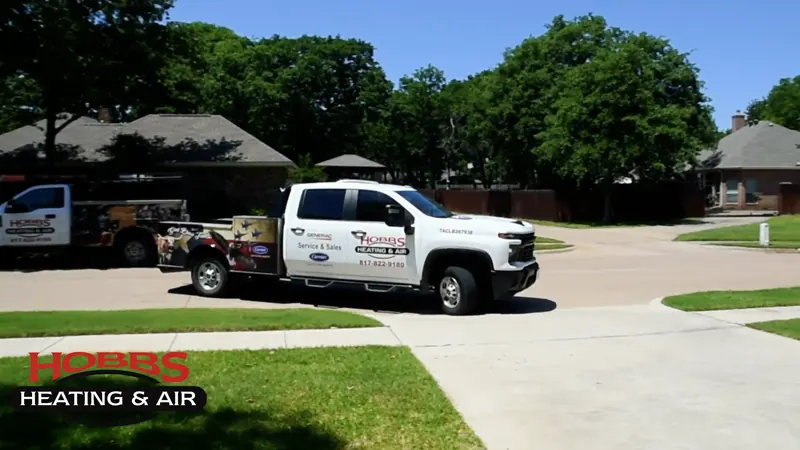
Whole-Home Generator Installation in Fort Worth, TX
Professional backup power installation so your home stays comfortable during outages
- Generac Factory Authorized
- Free Load Analysis
- Complete Permitting Included
- Automatic Transfer Switch




Why Choose Hobbs
Why Fort Worth Homeowners Choose Hobbs for Generator Installation
Texas storms are unpredictable — summer lightning strikes and ice storms knock out power for hours or days, leaving families without heating, cooling, lights, refrigeration, and water pumps. When the grid fails, you’re left vulnerable and uncomfortable. A whole-home generator eliminates that risk by automatically detecting power loss and seamlessly switching to backup power within seconds. Hobbs Heating and Air has installed Generac whole-home generators for Fort Worth families since 2007, and we understand what it takes to size, position, and commission equipment that keeps your family safe and comfortable during outages.
Get a Free Estimate
Ready to Install Backup Power for Your Home?
A generator installation begins with a site visit to assess your home’s critical circuits, review fuel options, and discuss power needs. We’ll perform a load analysis, recommend appropriately sized equipment, explain how the automatic transfer switch works, and provide a detailed quote with permitting, installation, and warranty information — all at no charge.
Get Your FREE Consultation
Have a Generator Emergency?
Call us any time — we’re available 24/7 for emergency generator repairs and transfer switch issues.
817-822-9180
Our Installation Process
How We Install Your Whole-Home Generator
Our installation process follows Generac specifications, manufacturer guidelines, and all applicable Fort Worth electrical and gas codes. Here’s what to expect:
We arrive early to walk through your home and identify which circuits must stay powered during an outage: HVAC, refrigerator, water pump, lights, security system, well pump (if applicable), and any other essential equipment. We measure their electrical power draw (nameplate amperage and BTU capacity) to determine total required capacity. We discuss your fuel preference — natural gas (piped to home, no fuel storage) or propane (stored in tank on-site). This assessment determines the generator size and fuel system configuration.
Based on the load analysis, we recommend a properly sized generator — typically 12–16 kW for most Fort Worth homes, though some large homes or those with well pumps may need larger capacity. We explain the equipment: engine type, automatic transfer switch capabilities, warranty coverage, and fuel consumption rates. We answer all your questions about operation and maintenance. We’re not rushing; we ensure you understand the system you’re about to invest in.
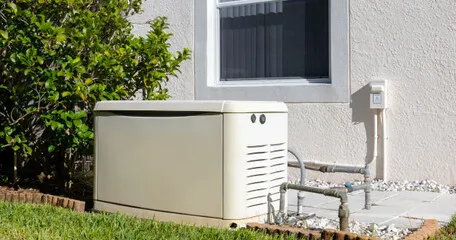
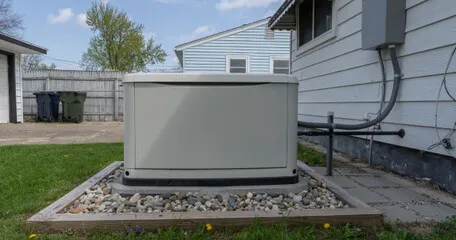
We select the generator’s location — typically on a concrete pad outside the home, away from windows and doors (noise consideration), with adequate clearance for airflow and service access. We install a level concrete pad if one doesn’t exist, or verify an existing pad is suitable. The pad must support the generator’s weight and vibration during operation. Proper siting is essential for reliable operation and longevity.
For natural gas: We install a properly sized gas line from your existing service line to the generator, per code. We test all connections for leaks using soapy water and confirm adequate gas pressure at the generator inlet. For propane: We install a propane tank (typically 500–1,000 gallon), connect it to the generator with properly sized copper tubing, and test pressure and leaks. All fuel work is performed by licensed technicians and verified by inspection.
The transfer switch is installed at your electrical panel and continuously monitors utility power. When it detects an outage, it signals the generator to start and switches your home’s power from utility to generator (typically within 10 seconds). We install the transfer switch per code, ensuring proper breaker sizing, grounding, and bonding. We test the switch to confirm it operates smoothly in both directions (utility to generator, and back).
We run electrical lines from the generator to the transfer switch, properly sized per code. We ground the generator frame to your home’s grounding system (critical for safety). We verify all electrical connections are secure and properly sized for the current they’ll carry. We test voltage output to confirm the generator produces clean power within specification.
This is the critical verification moment. We perform the generator’s initial startup, verify it runs smoothly, and test its ability to accept and carry electrical load. We measure voltage and amperage while the generator powers your home’s essential circuits. We verify the automatic transfer switch engages and disengages smoothly. Only after full verification do we complete this step.
Once all testing is complete, we obtain city and utility permits and call for final inspection. Once approved, we register your generator with Generac for warranty coverage. You get a complete tour of your system: how to access the fuel supply, normal operation during an outage (fully automatic — no manual work required), filter replacement schedule, when to expect maintenance, and what’s covered under warranty. We provide documentation, warranty cards, and a recommendation to schedule your first maintenance visit. If anything unusual happens in the first week (odd noise, transfer switch hesitation), you call us and we troubleshoot at no extra charge.
Customer Reviews
What Azle and North Texas Customers Say About Hobbs Heating & Air
Generator Install Financing
Finance Your Whole-Home Generator
A whole-home generator is a major investment in your family’s safety and comfort — but it doesn’t have to be paid all at once. Through Wells Fargo, Hobbs Heating & Air offers flexible financing for Fort Worth-area homeowners so you can install reliable backup power today instead of waiting for the next storm.

Financing For Every Budget
Flexible Financing Through Wells Fargo
A new HVAC system or Generac generator is a major investment. With financing through Wells Fargo, you don’t have to choose between comfort and your budget. Qualifying is simple, and our team will walk you through every step.
No Money Down Options
Qualified homeowners can finance the full generator installation cost with no upfront payment required.
Competitive Interest Rates
Wells Fargo offers competitive rates for home improvement financing, making backup power affordable.
Flexible Payment Terms
Choose payment terms that fit your budget — from 12 months to several years.
Quick Approval Process
Fast credit decisions so you can move forward with your generator installation without delay.
Questions about financing? Call us at 817-822-9180 and we’ll help you find the right option before you commit.
Keep Your Generator Ready
Generator Maintenance Plans
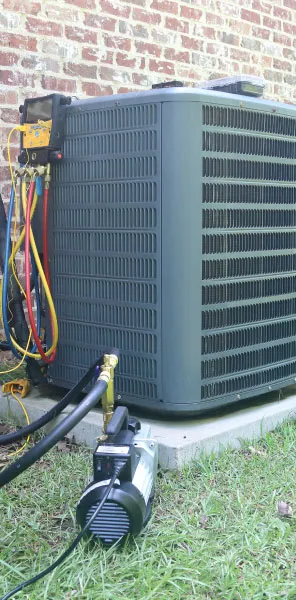
A generator that sits unused for months needs regular maintenance to start reliably when an outage occurs. Our preventative maintenance plans cover annual testing, oil changes, filter replacement, and early detection of issues — so your backup power system operates flawlessly when your family needs it most.
Peace of Mind, Year-Round
Preventative Care Maintenance Plans
Preventive maintenance is the most cost-effective investment you can make in your HVAC system. Hobbs Heating & Air offers residential and commercial plans designed to extend equipment life, keep efficiency high, and catch developing problems before they turn into expensive emergency repairs.
Annual Load Testing
We test your generator under actual load conditions to verify it can power your essential circuits.
Oil Changes & Filter Service
Regular oil changes and air filter replacement keep your generator engine running smoothly.
Transfer Switch Inspection
We verify your automatic transfer switch operates correctly and switches power seamlessly.
Priority Emergency Service
Maintenance plan customers get priority scheduling for emergency generator repairs.
Questions about our maintenance plans? Call us at 817-822-9180 to discuss enrollment and scheduling options.
Generator Installation Service Areas
Whole-Home Generators Installed Across Fort Worth and North Texas
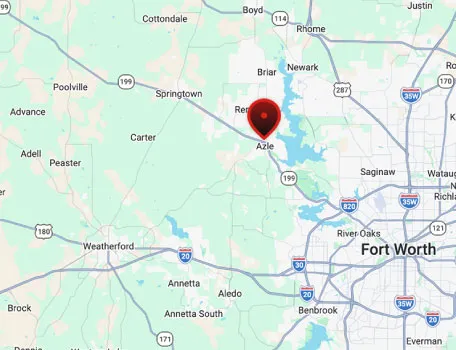
We install Generac whole-home generators throughout the Fort Worth area and surrounding communities:
- Fort Worth, TX Serving all neighborhoods with priority installation and fastest response times for emergency repairs.
- Aledo, TX Newer subdivisions with modern electrical systems; quick response times from our service area.
- Springtown, TX Serving ranches and acreage requiring various generator sizes and fuel options.
- Weatherford, TX Historic and modern homes; we’re familiar with local electrical and gas code requirements.
- Brock, TX Rural and semi-rural installations; we coordinate with local utilities for permitting and fuel service.
Let’s Get Started
Install Backup Power for Your Fort Worth Home
A whole-home generator is one of the best investments you can make in your family’s safety, comfort, and resilience. When the grid fails, you’ll have automatic backup power — seamless, reliable, and always ready. No manual operation, no delays, no stress.
Hobbs Heating and Air has been installing Generac whole-home generators for Fort Worth families since 2007. We handle everything: load analysis to determine the right size, fuel system installation, automatic transfer switch setup, electrical connections, permitting and inspections, and final testing. We start with a free consultation where we assess your home’s power needs, discuss fuel options, recommend equipment, explain how the system works, and provide transparent pricing. Financing is available through Wells Fargo. Our maintenance plans keep your generator ready year-round so it operates reliably when an outage occurs.
Answering Your Questions
FAQs About Generator Installation
Generator sizing depends on which circuits you want to keep powered during an outage and whether they’ll run simultaneously. Most Fort Worth homes need 12–16 kW to cover essential systems (HVAC, refrigerator, water pump, lights, security). Larger homes or those with well pumps may need 16–22 kW. We perform a load analysis during your free consultation to recommend the right size for your home.
If your home has natural gas service, natural gas is ideal — no fuel storage needed, and the generator runs as long as your gas supply is available. Propane is perfect for homes without gas service; a tank stores fuel on-site. Both are efficient, reliable, and clean-burning. We’ll discuss pros and cons based on your home’s setup and recommend the best option.
A typical home generator ranges from 10–24 kW (kilowatts) of electrical power. A 16 kW generator produces enough power to run your home’s essential systems during an outage. We’ll spec exactly what you need so you have enough backup power without overpaying for unused capacity.
Yes. An AC compressor requires high starting current but lower running power. A properly sized generator handles both startup and running load. If your AC starts while other major appliances are running, the generator must have capacity for simultaneous operation — which our load analysis confirms.
Yes. Generator installation requires city and utility permits and inspections. We handle all permitting, coordinate with the city and Oncor, and ensure code compliance. Unpermitted installations create liability issues and won’t be covered by homeowner insurance. Permits are included in our installation pricing.
The transfer switch is the critical component that detects grid failure, starts the generator, and switches your home’s power from utility to generator (and back). It’s automatic — no manual switching needed. Yes, you absolutely need one. It’s a safety requirement that prevents backfeed hazards and protects equipment and utility workers. We install proper commercial-grade transfer switches on every installation.
The transfer switch monitors utility power continuously and detects an outage within milliseconds. It signals the generator to start (which takes 10–30 seconds), then switches power. Total time from outage to backup power is typically 10–30 seconds. During that brief interval, your lights may flicker momentarily, but power to critical systems is restored within seconds.
If you choose natural gas, the generator uses your existing home gas service — no additional fuel needed. If you choose propane, you’ll install a propane tank and the generator runs off that supply. Natural gas generators run as long as service is available; propane generators run as long as the tank has fuel (weeks or months for a typical home-sized generator during an extended outage).
No. A properly installed generator with an automatic transfer switch provides clean power and integrates safely with your electrical system. The transfer switch prevents backfeed (power flowing back to the utility line, which could damage equipment and harm utility workers). Everything is designed for safe, seamless operation.
Yes. We offer Wells Fargo financing for qualified homeowners, so you don’t pay the full amount upfront. Flexible terms make backup power affordable. Ask about current financing options during your consultation, or call 817-822-9180.