If your system fails between maintenance visits, we offer same-day and emergency repair service with experienced diagnostics.
Heat Pump Maintenance in Fort Worth, TX
Keep your heat pump running efficiently year-round with preventive maintenance
- Spring & Fall Tune-Ups
- Refrigerant Testing
- Electrical Inspection
- Defrost Cycle Testing




Why Regular Maintenance Matters
Why Fort Worth Homeowners Choose Hobbs for Heat Pump Maintenance
Heat pumps are built to run constantly—winter heating, summer cooling, and everything in between. That continuous duty means wear on refrigerant seals, compressor bearings, and electrical contacts. A heat pump that ran flawlessly in May might fail unexpectedly in January if its charge isn’t verified, its coils aren’t clean, and its defrost cycle isn’t tested. Hobbs Heating and Air has been maintaining heat pump systems since 2007. We understand what preventive checks catch early failures: refrigerant charge verification, outdoor coil cleaning, electrical connection inspection, and defrost-cycle commissioning.
Schedule Your Preventive Maintenance
Ready for Professional Heat Pump Maintenance?
Spring and fall maintenance are ideal: test heating before cold weather, test cooling after the off-season, and clean coils when pollen and dust are heaviest. We’ll arrive with diagnostic equipment, measure refrigerant pressures in both modes, clean the outdoor coil, check electrical connections, and verify thermostat operation.
Schedule Your Maintenance
Have a Comfort Emergency?
Call us any time — we’re available 24/7 for emergency heat pump repairs.
817-822-9180
Our Maintenance Process
What Happens During a Heat Pump Maintenance Visit
A thorough maintenance check tests both heating and cooling sides, verifies electrical safety, and documents your system’s condition for future reference.
We walk through your thermostat with you: reviewing current settings, seasonal schedule, and any alerts you’ve seen (e.g., “auxiliary heat” running frequently). We set the thermostat to cooling mode and confirm the system cycles on smoothly. We set it to heating mode and confirm the reversing valve switches. We test “off” mode. These simple checks tell us if the thermostat is communicating with the system correctly.
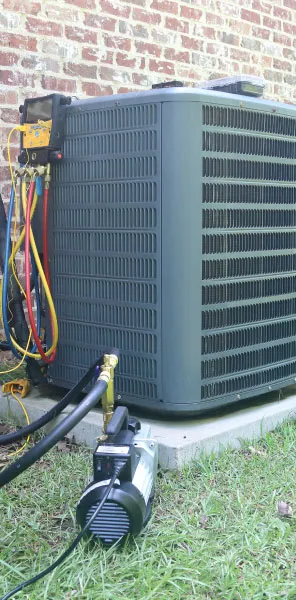
We connect a manifold gauge set to the service ports and run the system in cooling mode for 5–10 minutes (to allow pressures to stabilize). We measure high-side and low-side pressures, calculate superheat and subcooling values, and compare them to factory specifications. If pressures are lower than spec, the charge is low and there’s likely a leak. We document the readings and recommend further action.
We switch the thermostat to heating and allow 5–10 minutes for stabilization. We measure pressures again—heating mode pressures differ from cooling mode, and we compare both to factory specs. If heating-mode pressures are significantly lower than cooling-mode pressures, the reversing valve may not be directing refrigerant efficiently, or a heating-side blockage is present.
If we’re testing in heating season (or simulating heating), we test the reversing valve solenoid for voltage and continuity. A healthy solenoid clicks when de-energized and switches the valve smoothly. We listen and measure to confirm operation. We also inspect visible solenoid connections for corrosion or moisture.
We inspect the outdoor coil for dirt, dust, pollen, or debris. If cleaning is needed, we use approved coil cleaner and soft brushes to gently remove buildup. A clogged coil forces the compressor to work harder and reduces efficiency. After cleaning, we measure post-cleaning pressures to confirm improved heat transfer.
We inspect the disconnect switch (main power shutoff) for corrosion or loose connections. We measure voltage at the compressor contactor and verify it matches specifications. We test the run capacitor (which helps the compressor motor start and run) with a multimeter. A weak or failing capacitor shows high leakage current. We recommend capacitor replacement if testing indicates wear.
We check the indoor blower motor for smooth, quiet operation. We inspect the air filter—if it’s clogged, we replace it. A clean filter ensures proper airflow in both heating and cooling modes. We also test the thermostat fan setting, confirming it switches between “auto” and “on” modes correctly.
If you’re scheduling maintenance in fall or early winter, we test the defrost cycle: manually trigger it or allow it to run automatically, then confirm the system reverses to cooling mode, the outdoor fan cycles off, and after 5–10 minutes the system returns to heating. We test the defrost thermostat (temperature switch) to ensure it’s within spec. A failed defrost thermostat needs replacement before heating season.
We provide a written report showing refrigerant pressures (before and after cleaning), electrical readings, capacitor test results, and any observations (loose terminal, worn fan blade, etc.). We recommend any repairs that would improve efficiency or prevent future failure. We note the date and document your system’s condition for the next visit—trends in charge loss or electrical readings help us predict failures months in advance.
Customer Reviews
What Azle and North Texas Customers Say About Hobbs Heating & Air
Heat Pump Financing
Finance Your Heat Pump Upgrade
If your heat pump needs major repairs or replacement, financing through Wells Fargo makes it affordable. Hobbs Heating & Air offers flexible payment options for Fort Worth-area homeowners so you can upgrade to an efficient system without waiting.

Financing For Every Budget
Flexible Financing Through Wells Fargo
A new HVAC system or Generac generator is a major investment. With financing through Wells Fargo, you don’t have to choose between comfort and your budget. Qualifying is simple, and our team will walk you through every step.
Low Monthly Payments
Spread the cost of a new system over time with payments that fit your household budget — no large upfront expense required.
No Hidden Fees
What you see is what you pay. Your financing terms are laid out clearly from day one, with no surprise charges down the road.
Fast Pre-Qualification
Check your eligibility in minutes with a quick online application. You’ll know where you stand before any work begins.
Flexible Loan Amounts
Whether it’s a single mini-split or a full system replacement with a generator, financing can be scaled to match the scope of your project.
Questions about financing? Call us at 817-822-9180 and we’ll help you find the right option before you commit.
Preventative Care Plans
Join Our Heat Pump Maintenance Plan
Regular maintenance keeps your heat pump running efficiently year-round. Our preventative care plans include spring and fall tune-ups, priority scheduling, and early detection of issues before they become expensive failures during North Texas weather extremes.
Peace of Mind, Year-Round
Preventative Care Maintenance Plans
Preventive maintenance is the most cost-effective investment you can make in your HVAC system. Hobbs Heating & Air offers residential and commercial plans designed to extend equipment life, keep efficiency high, and catch developing problems before they turn into expensive emergency repairs.
Extend Equipment Life
Regular tune-ups catch wear-and-tear early and add years to your system — protecting the long-haul investment you made.
Peak Efficiency
Clean coils, calibrated thermostats, and tight connections keep energy bills predictable through hot summers and cold fronts.
Priority Scheduling
Plan members get faster service when a breakdown does happen — no waiting in line behind walk-up calls.
Residential & Commercial
Plans designed for both homes and businesses across Azle, Springtown, Fort Worth, Weatherford, and surrounding North Texas communities.
Questions about our maintenance plans? Call us at 817-822-9180 to discuss enrollment and scheduling options.
Heat Pump Maintenance Service Areas
Heat Pump Maintenance Throughout Fort Worth and North Texas
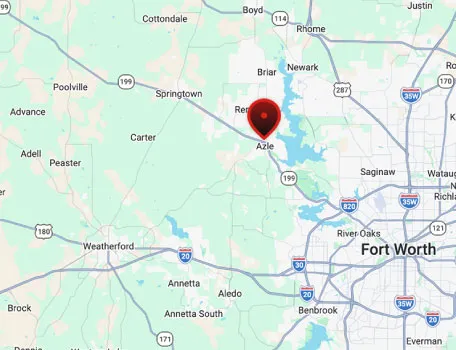
We provide preventive maintenance and seasonal tune-ups throughout the Fort Worth area and surrounding Parker and Tarrant county communities, with flexible scheduling to fit your calendar:
- Fort Worth, TX All neighborhoods served; we schedule maintenance during spring and fall peak seasons, plus winter emergency service during cold snaps.
- Aledo, TX Quick response times for maintenance scheduling; most appointments available within 1–2 weeks.
- Springtown, TX Residential and larger properties; we customize maintenance visits based on system age and condition.
- Weatherford, TX Year-round maintenance service; we understand the seasonal heating and cooling demands of this area.
- Brock, TX Rural maintenance calls with extended scheduling flexibility; we work with your availability.
Preventive Maintenance Is Your Best Investment
Keep Your Heat Pump Running Efficiently
A heat pump running 24/7 deserves regular attention. Refrigerant charges drift slightly over years. Coils accumulate dust and pollen. Electrical connections corrode. Defrost cycles need testing. Small problems grow into expensive repairs if left unaddressed.
Hobbs Heating and Air has maintained thousands of heat pumps since 2007. We know what fails and when. We arrive with diagnostic tools, cleaning equipment, and a documented approach to testing and documenting your system’s condition. We provide a written report of our findings and recommend repairs or upgrades before problems become emergency breakdowns. Spring maintenance costs far less than a summer breakdown. Fall maintenance catches defrost cycle issues before your first heating call in January.
Answering Your Questions
Heat Pump Maintenance FAQs
Twice yearly is ideal: a spring tune-up before summer cooling season, and a fall tune-up before winter heating. Some customers with older systems or those running in harsh environments (dusty, salty air near coast) benefit from quarterly maintenance. We’ll recommend a schedule based on your system’s age and condition.
A standard maintenance visit includes refrigerant pressure testing, coil cleaning, electrical checks, and filter replacement. Joining our maintenance plan spreads costs over the year and often includes priority scheduling and small parts at no charge. Ask us about plan pricing when you call.
Because problems develop slowly. A small refrigerant leak might not be obvious for 6 months. A failing capacitor draws more current each month before it actually burns out. A dirty outdoor coil makes cooling gradually less responsive. Maintenance catches these slow failures before they become emergency breakdowns. A system running fine today might fail suddenly in July if we don’t test and clean it in May.
You can inspect it and gently remove large debris (leaves, branches). Don’t use a pressure washer—the force can bend cooling fins and cause leaks. Don’t use your own chemicals on the coil. Leave detailed cleaning to us. Light yard maintenance around the unit (keep grass cut, remove leaves, ensure 3 feet of clearance) helps airflow and reduces our cleaning workload.
Maintenance is preventive: we test, measure, clean, and inspect to catch problems early. Repair is corrective: we fix something that’s broken. Maintenance happens on a schedule; repair happens when something fails. Think of it like car maintenance (oil changes, tire rotation) versus car repair (engine rebuild). Maintenance prevents expensive repairs.
Healthy systems hold charge indefinitely (10+ years). A dropping charge means you have a leak. We locate leaks with electronic leak detectors, repair the leak (solder joint, lineset, compressor seal), and recharge. If we find a leak and repair it, the charge should be stable next year. If it’s dropping again, the leak is either in a different location or the repair didn’t hold.
Not all, but most. A catastrophic compressor failure can happen without warning (internal valve collapse, bearing seize). But 80% of failures are preventable with maintenance: refrigerant leaks, electrical failures, capacitor burnout, defrost cycle problems, coil blockage. Maintenance catches the preventable ones before they fail.
Change your air filter every 30–90 days (more often if you have pets or dusty air). Keep your outdoor unit clear of debris. Check your thermostat battery if it uses one. Don’t use your system in extreme ways (very low or very high setpoints). Call us immediately if you notice odd sounds, weak heating/cooling, or frequent auxiliary heat. Don’t wait for your next scheduled maintenance if something seems wrong.
Yes, if you plan to own your heat pump for 5+ more years. A plan spreads the cost, ensures twice-yearly service, and often includes small parts and priority scheduling. Most customers save money by catching small issues early rather than facing emergency repairs. We offer flexible plan options—ask for details.
Call us immediately for emergency repair service. We’ll diagnose the problem and fix it. Your maintenance history will help us quickly identify what failed—we’ll have pressure readings and electrical data from your last visit, which speeds diagnosis. This is one reason maintenance plans include priority emergency service: members get faster response.