When maintenance catches a problem or an unexpected issue arises, we diagnose and repair same-day when possible. Maintenance members get priority repair scheduling.
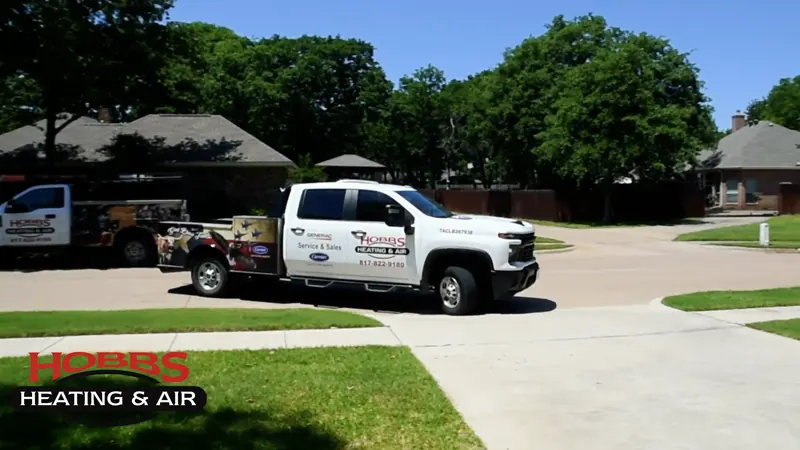
Whole-Home Generator Maintenance in Fort Worth, TX
Keep your backup power system ready and reliable for when you need it most
- Battery Testing & Charging
- Load Exercise Testing
- Fuel System Inspection
- Transfer Switch Testing




Why Choose Hobbs
Why Fort Worth Homeowners Choose Hobbs for Generator Maintenance
A generator sitting unused in your yard for months can fail catastrophically when the power goes out — a dead battery won’t crank the engine; stale fuel clogs injectors; corroded transfer switch contacts won’t engage; seized bearings lock up the engine. By the time you discover the failure, you’re already in a power outage with your family vulnerable. That’s why Hobbs Heating and Air recommends annual generator maintenance before storm season arrives. We perform comprehensive inspections, test battery voltage and charging, check fuel pressure and system integrity, verify the automatic transfer switch engages smoothly, exercise the generator under load, and confirm all safety controls work.
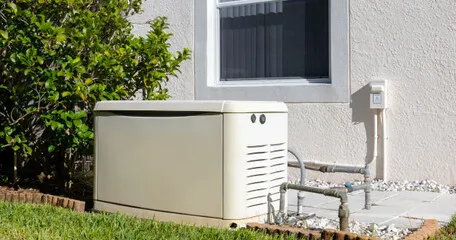
Ready to Protect Your Backup Power?
Schedule Your Generator Maintenance
A generator maintenance visit begins with a complete system inspection. We’ll test battery voltage, verify fuel supply, check oil quality, test electrical continuity, exercise the generator under load, verify transfer switch operation, and review all safety systems. We’ll explain what we found, recommend any needed repairs, and answer all your questions about keeping your backup power ready.
Schedule Your Generator Maintenance
Generator Not Starting?
Call us for emergency generator repair — we’re available 24/7 when your backup power fails.
817-822-9180
Our Maintenance Process
How Our Generator Maintenance Service Works
Our maintenance process is comprehensive and thorough. We arrive with full diagnostic equipment and perform every check in a logical sequence — nothing missed, nothing overlooked.
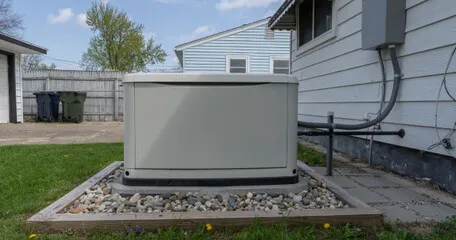
We start by asking about generator performance: How is it starting? Any unusual sounds? When was it last exercised? We review service history notes from previous visits and discuss any concerns. We ask about fuel type (natural gas or propane) and usage since the last maintenance. This context helps us focus on potential problem areas based on your system’s history.
We test battery voltage with a multimeter — should be 12.6V when the generator is off. A dead or weak battery is the most common generator failure. We also measure charging voltage while the engine runs to confirm the alternator is charging. A failed charging system leaves the battery slowly depleted, so we address any charging problems during maintenance before they cause a no-start failure.
We inspect fuel lines for cracks, corrosion, or leaks. For propane systems, we verify the shutoff valve is accessible and operational, and check tank pressure with a gauge. For natural gas systems, we test gas pressure at the generator inlet and verify it matches manufacturer specs. Low pressure indicates a regulator issue; blockage indicates a filter or line problem.
We inspect the oil level on the dipstick — it should be in the normal range, not too low. Low oil triggers engine shutdown (a safety feature). We also perform an oil condition check: color and consistency. Black oil means carbon buildup; milky oil means water contamination. We recommend oil change if oil condition has degraded. We also check coolant level (if liquid-cooled engine) and other fluid levels.
We visually inspect the engine for leaks, loose components, or visible damage. We remove and inspect spark plugs for fouling or wear. Carbon-fouled plugs reduce ignition efficiency; worn plugs (gap too large) reduce spark strength. We clean or replace plugs as needed. We also check air filter condition and replace if clogged. A clean air filter ensures proper engine breathing.
We test the automatic transfer switch to confirm it detects utility power correctly. We listen to relay operation and confirm the switch contacts are clean and engaging smoothly. We test breaker operation to ensure circuits are available for backup power. We measure voltage output from the generator and confirm it’s in specification. We verify grounding connections are secure and corrosion-free.
We apply an electrical load to the running generator — lights, heater, or load bank — to simulate an actual outage. We verify the generator handles the load without stalling, straining, or excessive noise. We measure output voltage and frequency to confirm it stays within specification under load. This load test confirms the generator can actually power your home during a real outage, not just run idle.
Once all testing is complete, we sit down and review our findings: “Your battery is healthy, your fuel system is clean, your transfer switch is engaging smoothly, your engine runs strong under load. Overall system health is excellent.” We provide a written report showing all measurements and what was done. We discuss any maintenance or repairs needed and schedule your next visit before you leave.
Customer Reviews
What Azle and North Texas Customers Say About Hobbs Heating & Air
Generator Repair Financing
Finance Generator Repairs
When maintenance reveals a major repair need, you don’t have to pay everything upfront. Through Wells Fargo, Hobbs Heating & Air offers flexible financing for generator repairs and replacements so your backup power stays protected.

Financing For Every Budget
Flexible Financing Through Wells Fargo
A new HVAC system or Generac generator is a major investment. With financing through Wells Fargo, you don’t have to choose between comfort and your budget. Qualifying is simple, and our team will walk you through every step.
Quick Approval
Fast financing decisions so repairs happen quickly
Competitive Rates
Low interest rates through Wells Fargo
Flexible Terms
Payment plans that fit your budget
Flexible Loan Amounts
Whether it’s a single mini-split or a full system replacement with a generator, financing can be scaled to match the scope of your project.
Questions about financing? Call us at 817-822-9180 and we’ll help you find the right option before you commit.
Generator Care Plans
Maintenance Plans for Your Generator
Join our maintenance plan and get two annual generator tune-ups plus priority repair scheduling if something goes wrong. Your backup power investment stays protected and ready for when you need it most.
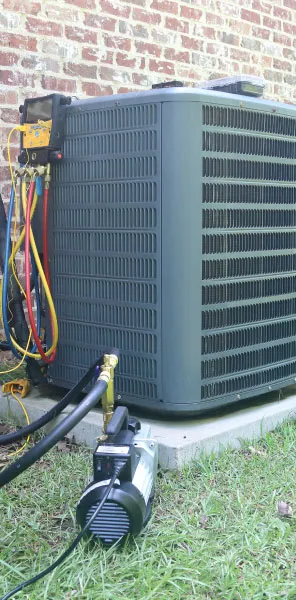
Peace of Mind, Year-Round
Preventative Care Maintenance Plans
Preventive maintenance is the most cost-effective investment you can make in your HVAC system. Hobbs Heating & Air offers residential and commercial plans designed to extend equipment life, keep efficiency high, and catch developing problems before they turn into expensive emergency repairs.
Scheduled Service
Two annual visits automatically scheduled
Priority Repairs
First in line when emergency repairs are needed
Member Discounts
Reduced rates on all repair work
Residential & Commercial
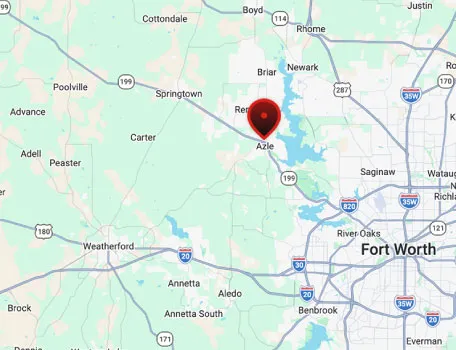
Plans designed for both homes and businesses across Azle, Springtown, Fort Worth, Weatherford, and surrounding North Texas communities.
Questions about our maintenance plans? Call us at 817-822-9180 to discuss enrollment and scheduling options.
Service Areas for Generator Maintenance
Generator Maintenance Throughout Fort Worth and North Texas
We provide generator maintenance and testing throughout the Fort Worth area and surrounding communities:
- Fort Worth, TX Serving all neighborhoods; we maintain generators in homes across the city from modest to high-end residences.
- Aledo, TX Newer subdivisions with modern generators; quick response times from our service area.
- Springtown, TX Serving ranches and rural properties; we understand seasonal maintenance needs for varying home sizes.
- Weatherford, TX Historic and modern homes; our technicians are familiar with both older generators and new installations.
- Brock, TX Rural and semi-rural maintenance calls; we schedule strategically to keep travel times reasonable while serving all communities.
Protect Your Backup Power With Professional Maintenance
Keep Your Generator Ready When You Need It
A small investment in preventive generator maintenance prevents catastrophic failures when you need your backup power most. When the power goes out during a storm, you want confidence that your generator will start, fuel will flow, the transfer switch will engage, and your family will stay comfortable and safe.
Hobbs Heating and Air offers professional generator maintenance that keeps your system tuned, tested, and ready. We exercise the generator under load, test battery voltage and charging, verify fuel system integrity, confirm transfer switch operation, and measure electrical output. After comprehensive testing, your backup power system is ready for real-world use. Join our maintenance plan and get two annual tune-ups plus priority repair scheduling if something does go wrong.
Answering Your Questions
FAQs About Generator Maintenance
We recommend annual maintenance — ideally in spring (March or April) or fall (September or October) before severe weather season. For generators over 20 years old, consider twice-yearly service to monitor aging components. Annual service ensures your system is ready for summer storms and winter outages.
A complete tune-up includes battery voltage test, fuel system inspection and pressure test, oil quality check, electrical continuity testing, spark plug inspection, transfer switch testing, load exercise test, and a detailed written report. A full visit typically takes 90–120 minutes. You receive documentation showing what we tested and what was done.
You can check oil level monthly and keep leaves and debris off the generator. Beyond that, professional maintenance requires diagnostic equipment (voltmeter, pressure gauge, load tester), technical training, and access to factory specifications. DIY maintenance attempts often cause more problems than they solve. Let the professionals handle it.
No, but it catches 85% of issues before they fail. Manufacturing defects, random electrical failures, or unexpected accidents can’t be predicted. But the vast majority of generator failures during outages are preventable with professional maintenance. Most emergency failures are triggered by problems a maintenance visit would have caught.
This is typically a maintenance issue. Common causes: dead battery (most common), clogged fuel filter (if unused for months), bad spark plugs, corroded battery terminals, or loose electrical connections. A maintenance visit diagnoses which and fixes it.
Yes. Running the generator monthly under some electrical load (lights, heater) for 15–20 minutes keeps internal components lubricated and operational. It confirms fuel flows, ignition fires, and transfer switch engages. Monthly exercise is ideal; quarterly is acceptable. Many homeowners forget to exercise generators — that’s one reason annual maintenance is so valuable.
We’ll explain what we found and what the repair costs. You decide whether to fix it now or monitor it. If you’re on a maintenance plan, you get priority repair scheduling and often receive labor discounts. Most maintenance-discovered issues are small (battery replacement, spark plug change, filter cleaning) and much cheaper to fix proactively than in an emergency.
Absolutely. If you’re scheduling annual furnace tune-up and generator maintenance, we can often fit them on the same day or coordinate appointments efficiently. Bundling services saves time and ensures your entire home’s critical systems are maintained consistently.
Spring is ideal — before summer storm season. We schedule tune-ups in March and April when the weather is mild and our schedule is flexible. Fall maintenance (September or October) is also smart because it prepares your system for winter outages. If you’re on a maintenance plan, we schedule both visits automatically.
A single maintenance visit costs more per visit than joining a plan. Plans bundle two annual visits plus priority repair scheduling for less than the cost of two individual visits. Most homeowners find plans provide better value and ensure consistent care. We’ll quote both options.
No. Federal law (Magnuson-Moss Warranty Act) prevents manufacturers from requiring you use a specific service provider. As long as maintenance is performed by a licensed, authorized technician — which we are — your warranty stays intact. We document every visit so you have proof of regular maintenance if a warranty claim arises.
Monitor the generator monthly by checking oil level and keeping the unit clear of debris and vegetation. Listen for unusual sounds and call us if you hear anything odd. Run the generator monthly under some electrical load for 15–20 minutes to keep it exercise-ready. Beyond that, the system is designed to operate reliably until your next scheduled maintenance.